Monitoring of the Fauna of the Maças River
Monitoring is one of the first and most important steps in habitat protection and restoration projects. Before deciding which areas to protect, it is essential to know which species inhabit them, in order to understand why and how to act. Depending on the presence or absence of certain species, some areas may be more priority than others. This knowledge also helps in defining the project implementation schedule, ensuring that sensitive periods—such as breeding seasons—are respected.
Furthermore, this information is vital for evaluating the results of later work. It is impossible to determine whether habitat restoration has been successful without data and estimates of species richness and population density before and after intervention.
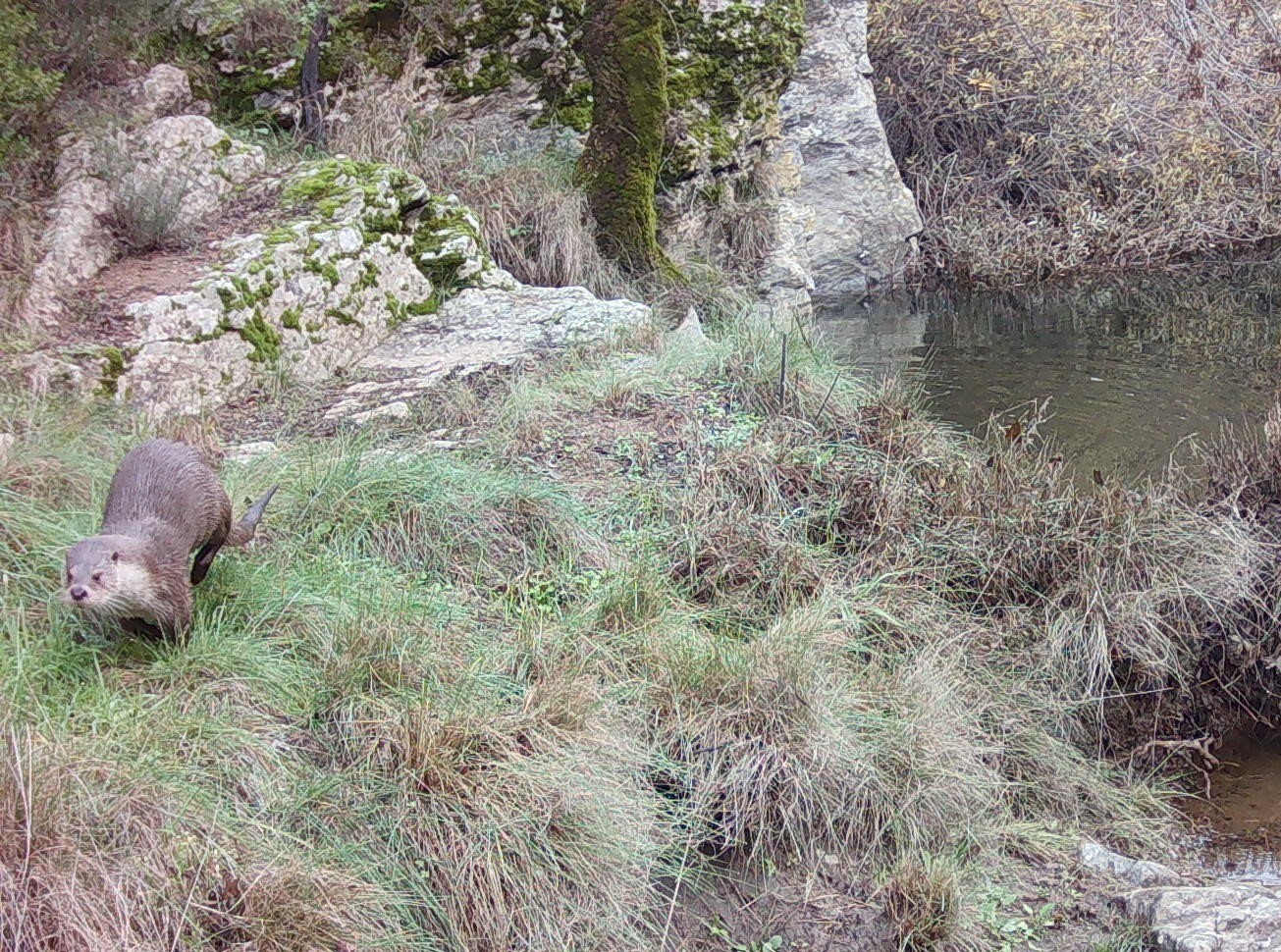
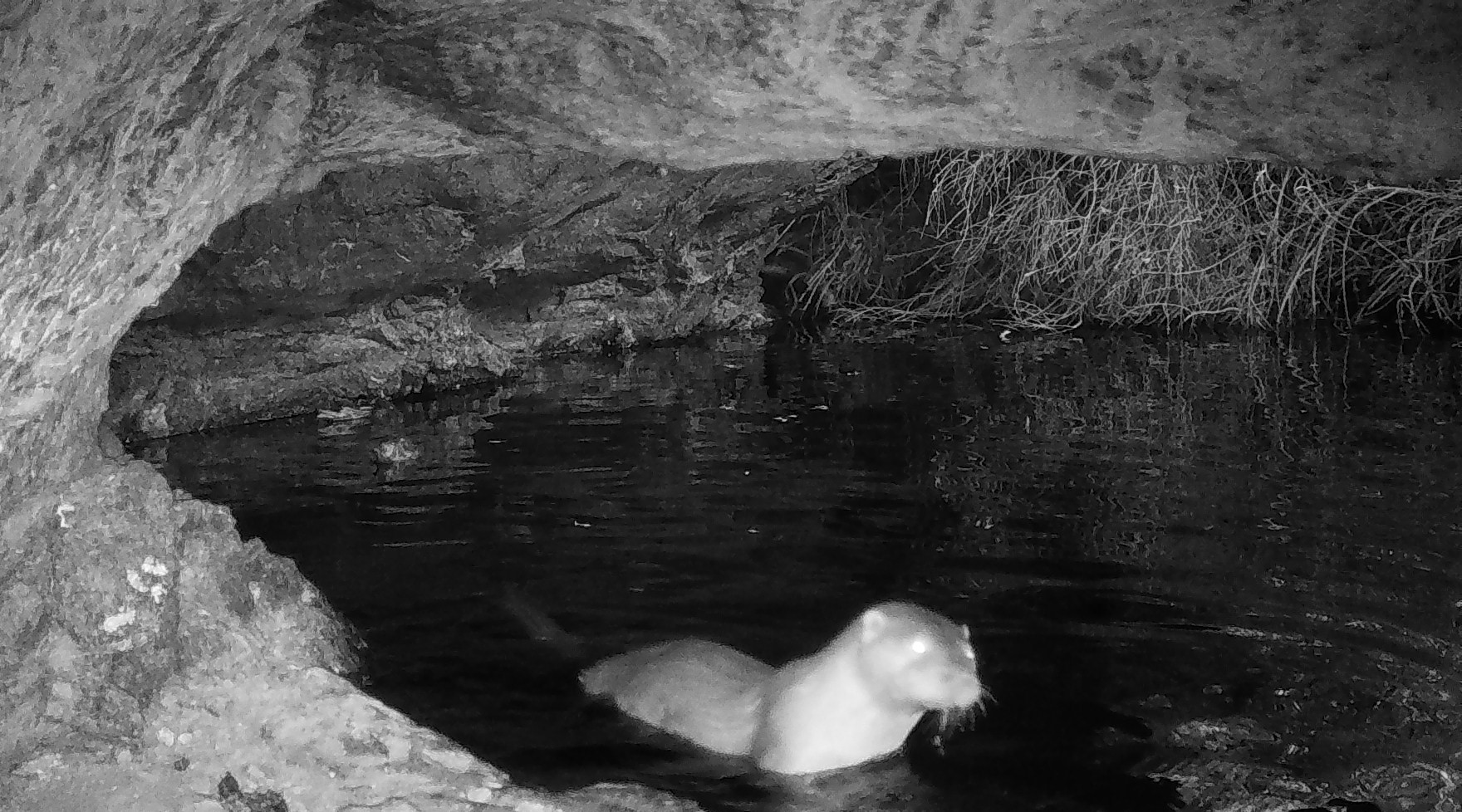
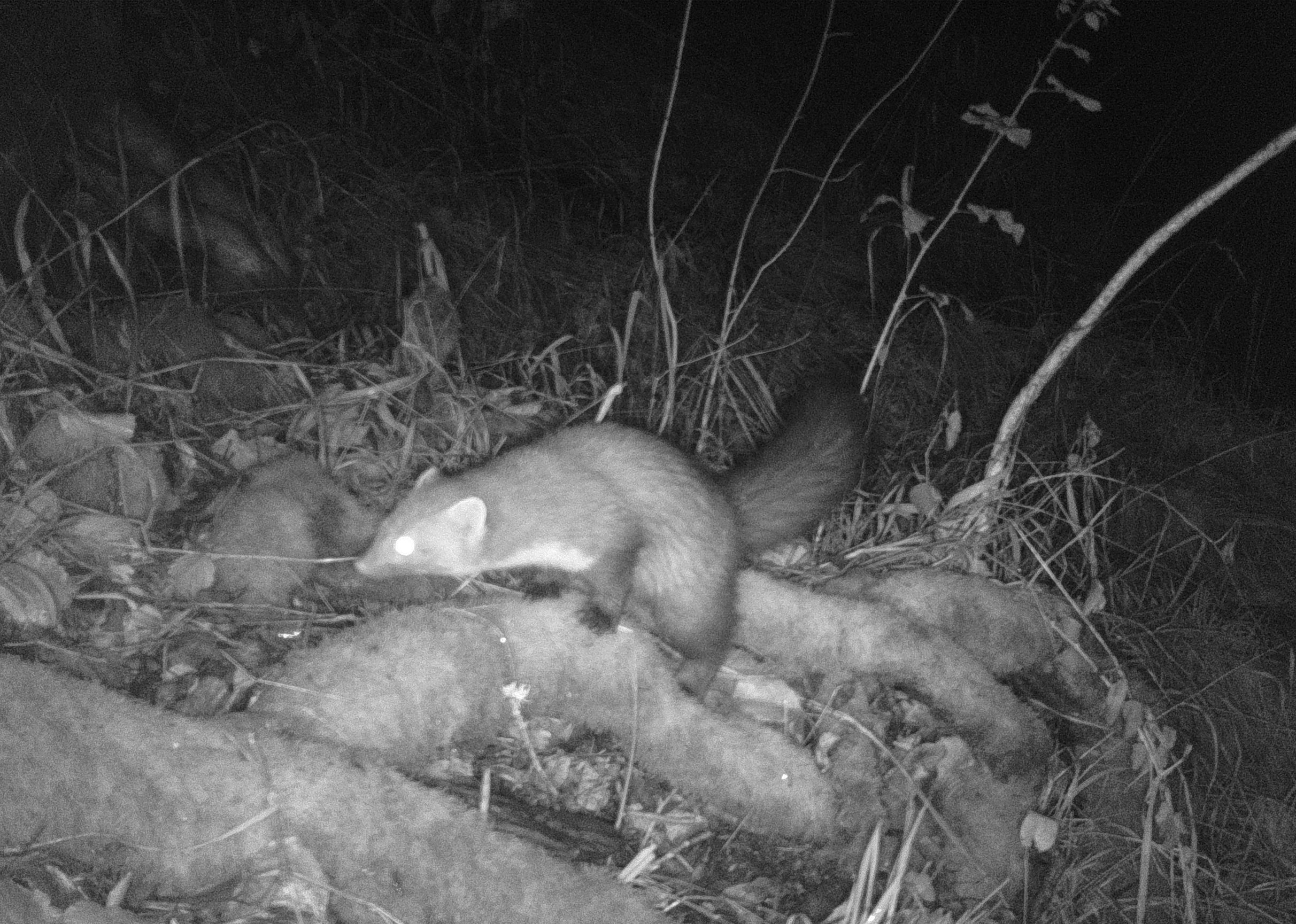
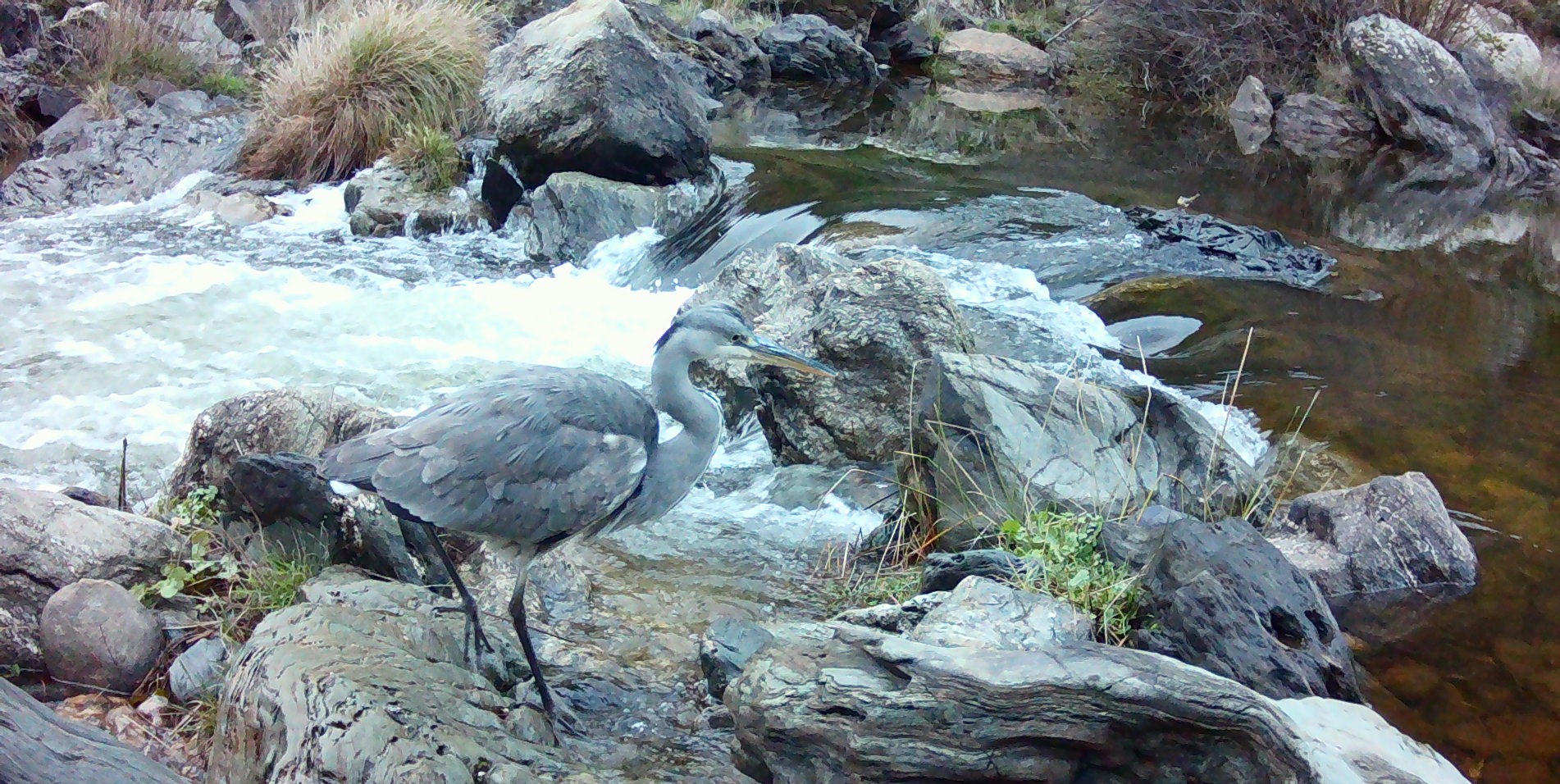
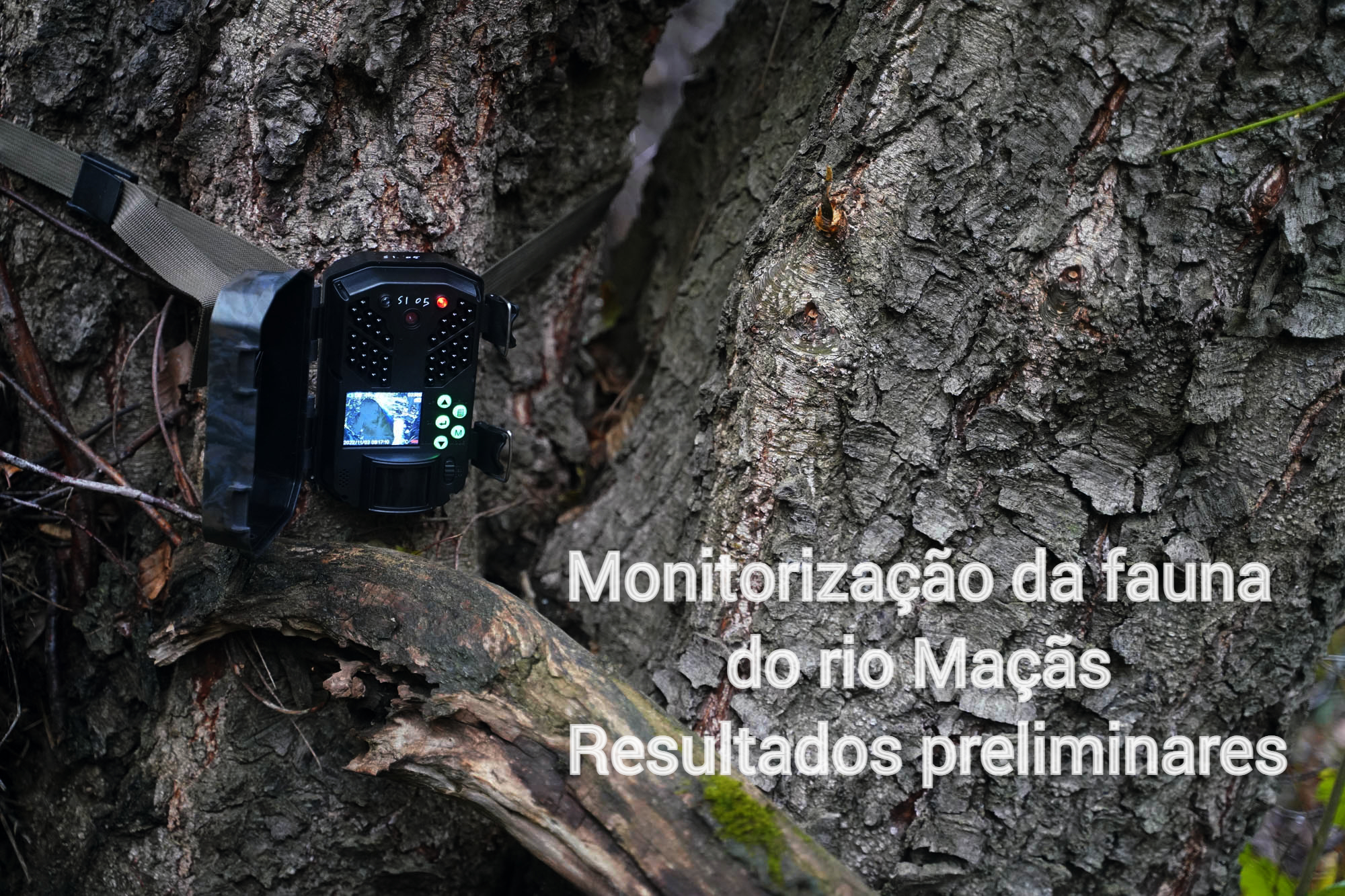
The first sampling period took place from November 2022 to November 2023. Camera traps were installed along the Portuguese section of the Maçãs River to identify primarily mammal and bird species that frequent the river along its national course. Cameras were placed along 40 km of the river and in the last 3 km of the Angueira River, a tributary of the Maçãs.
To date, the following species have been recorded:
Mammals
-
Apodemus sylvaticus
-
Arvicola sapidus (Southern water vole)
-
Capreolus capreolus (Roe deer)
-
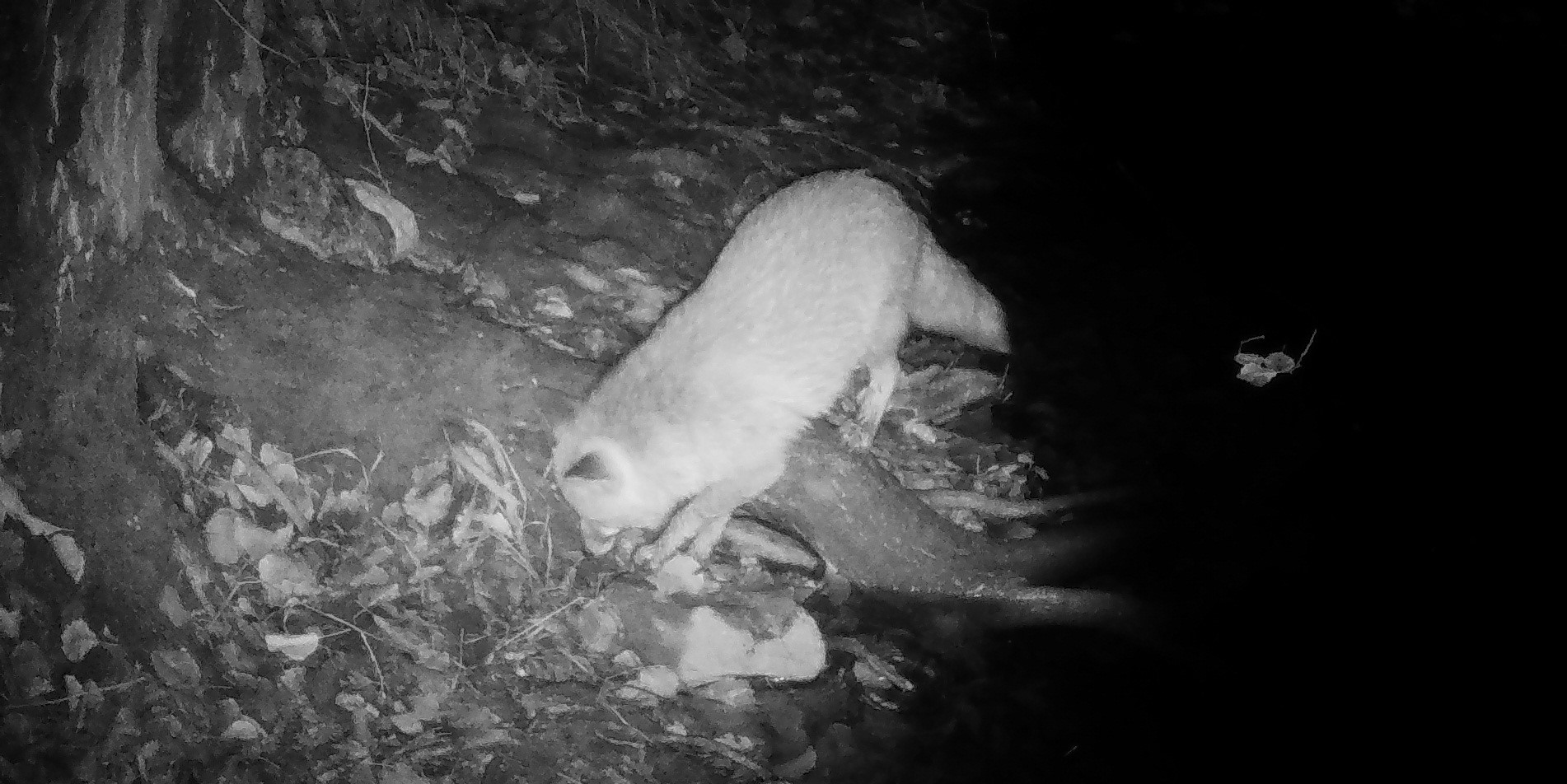
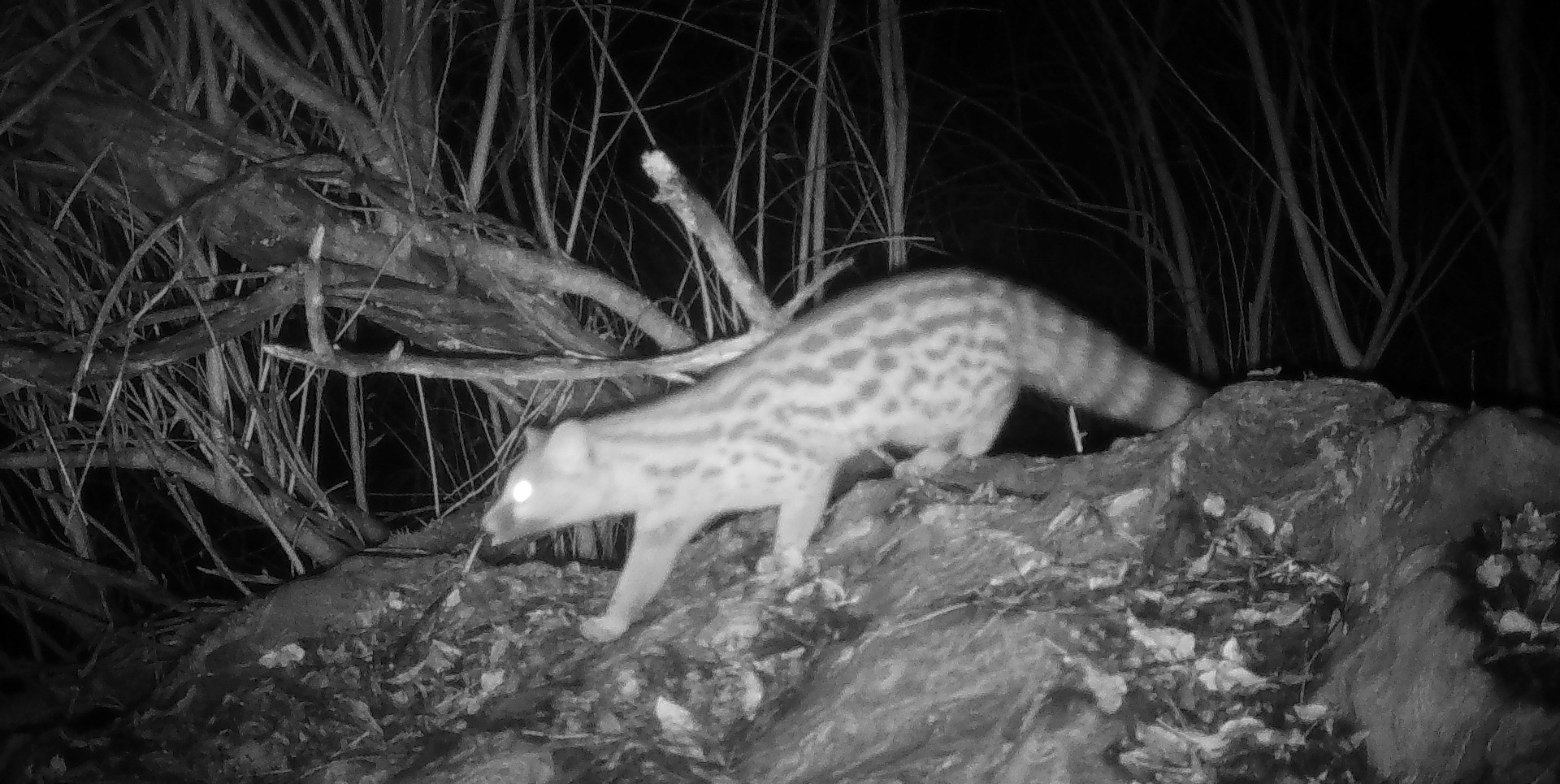
Genetta genetta (Common genet)
-
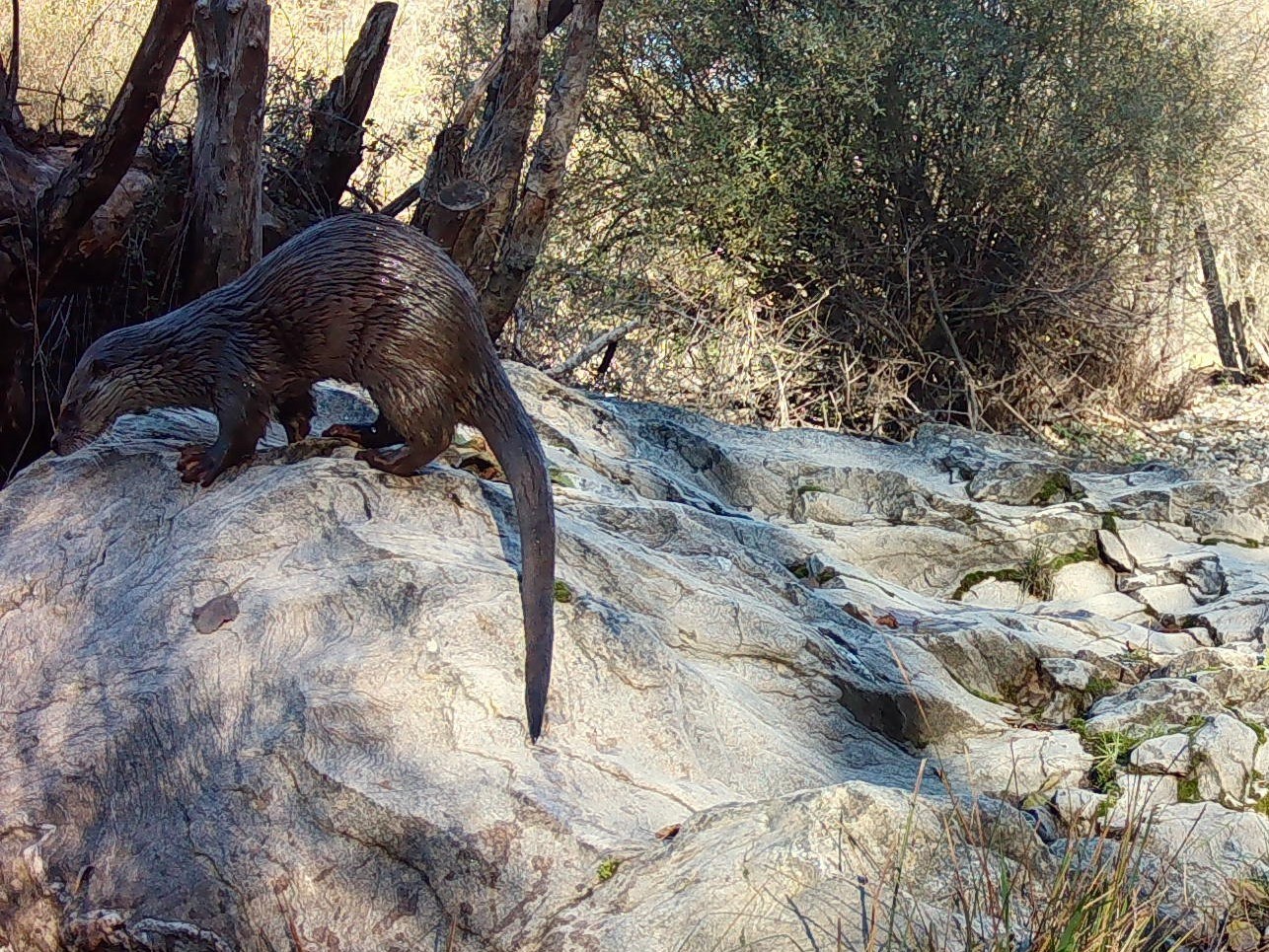
Lutra lutra (Eurasian otter)
-
Martes foina (Stone marten)
-
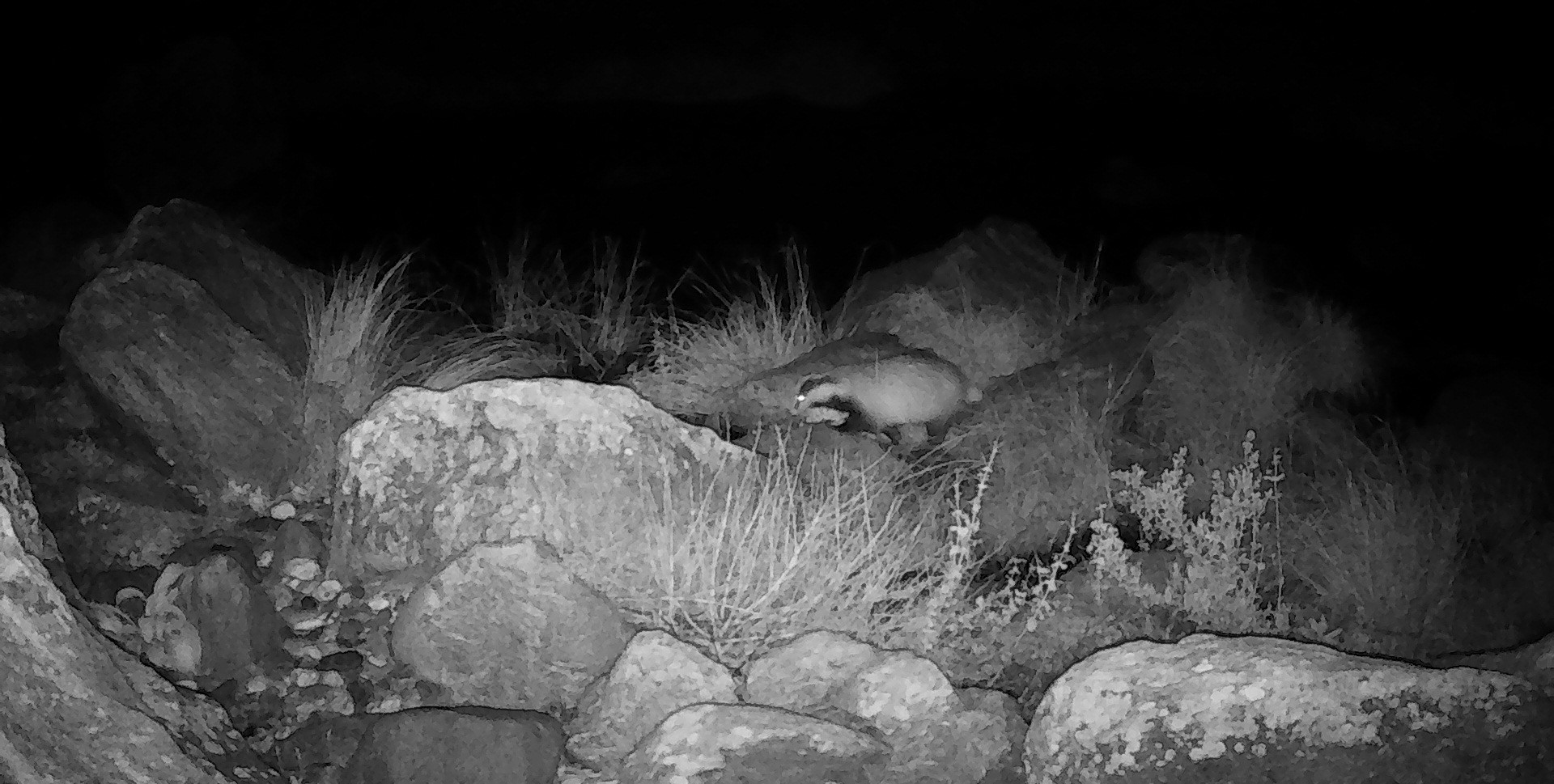
Meles meles (European badger)
-
Neovison vison (American mink – Invasive)
-
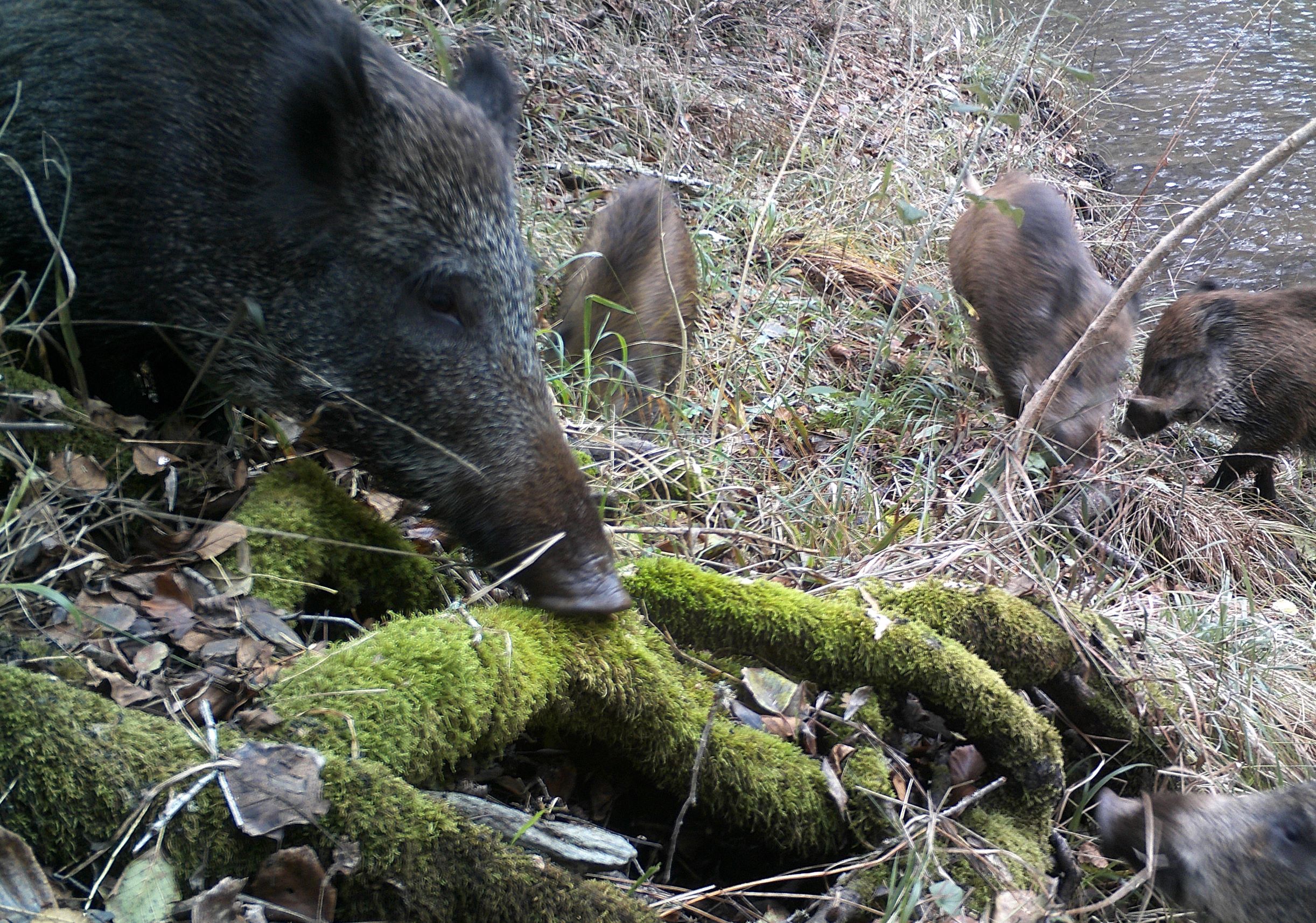
Sus scrofa (Wild boar)
-
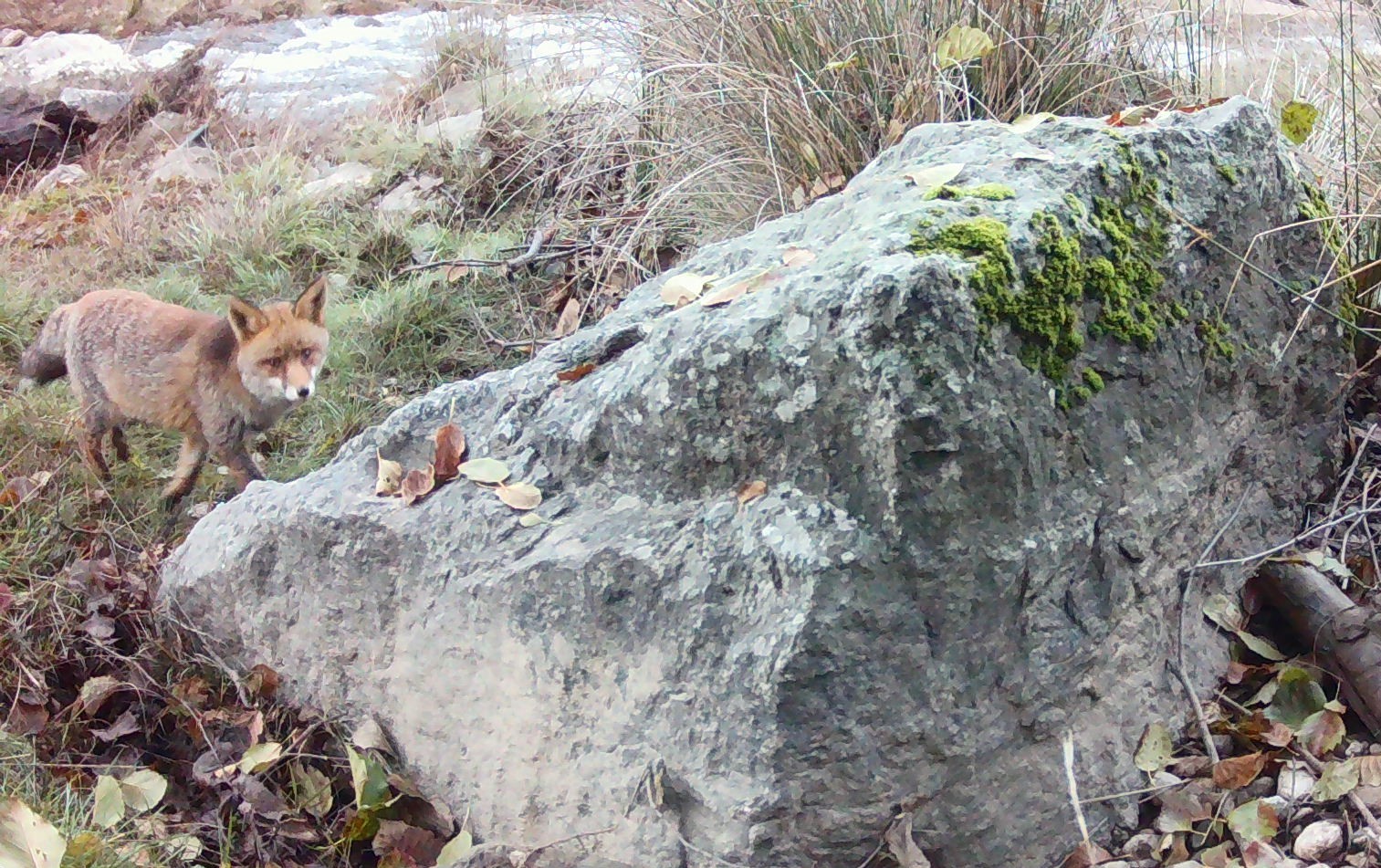
Vulpes vulpes (Red fox)
Birds
-
Anas platyrhynchos
-
Ardea cinerea
-
Columba palumbus
-
Corvus corone
-
Erithacus rubecula
-
Fringilla coelebs
-
Garrulus glandarius
-
Lophophanes cristatus
-
Motacilla cinerea (Grey wagtail)
-
Parus major
-
Prunella modularis
-
Troglodytes troglodytes
-
Turdus merula
-
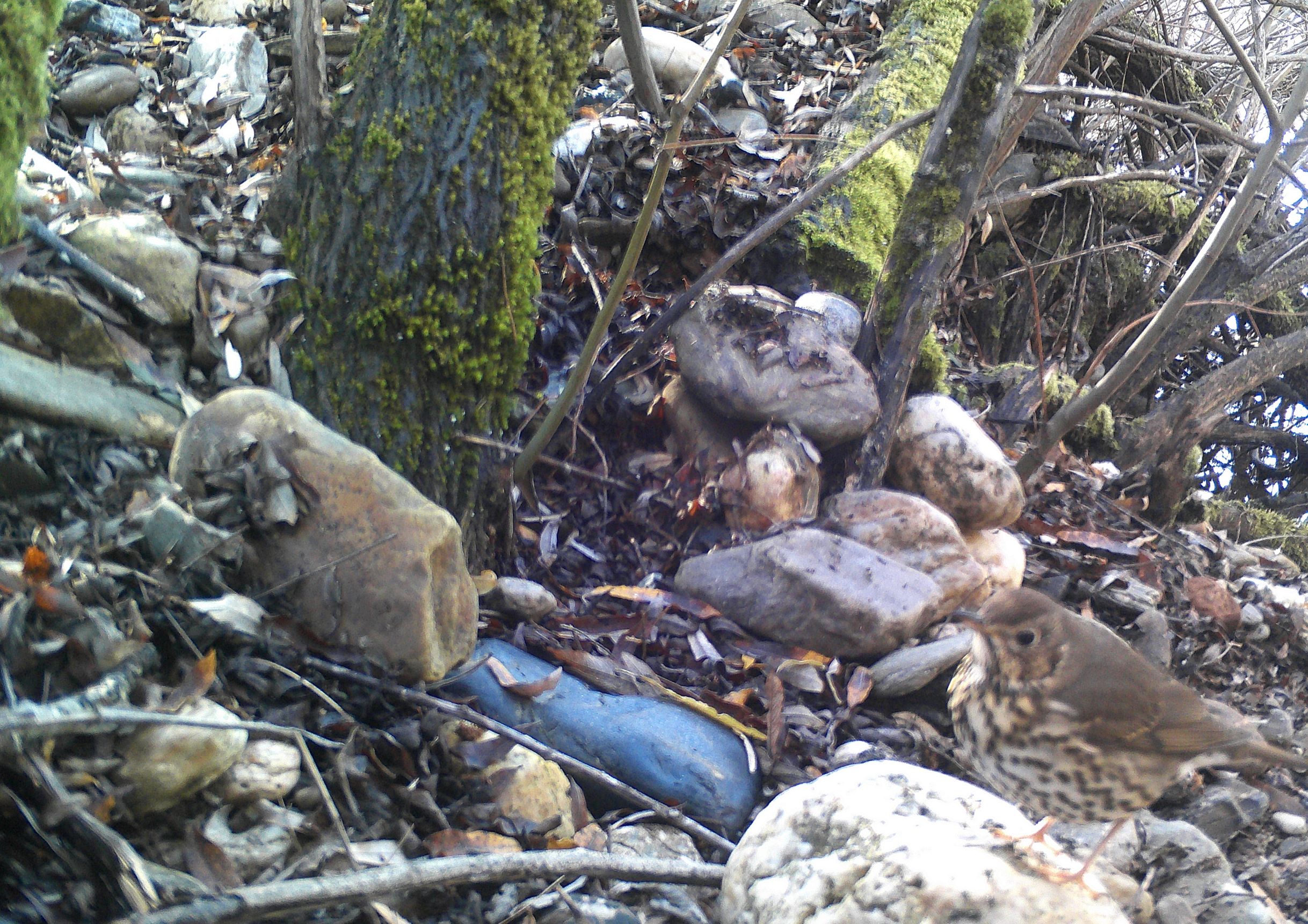
Turdus philomelos
Reptiles
-
Mauremys leprosa
Invertebrates
-
Stylomotophera