Eurasian otter habitat restoration
The European otter (Lutra lutra) is a species of the mustelid family (Mustelidae) native to Portugal. It is common throughout the country and inhabits almost all types of aquatic habitats. Elsewhere in the world, the otter is found in Western Europe, Asia, and North Africa. In Portugal, it is classified as “Least Concern”, while its international conservation status is “Near Threatened.”
This carnivorous species, located at the top of the food chain, feeds primarily on fish and crustaceans, but also on small mammals, birds, reptiles, and amphibians. As an opportunistic predator, it tends to feed on weaker or sick prey, thus contributing to the trophic balance of aquatic ecosystems (Farinha, 2000).
Being highly dependent on aquatic environments, the otter relies heavily on wetland habitats for its survival, which explains its localized distribution (Ruiz-Olmo & Palazón, 1997). Beyond its biological importance, the otter also serves as a bioindicator of aquatic habitat quality, as it is highly sensitive to environmental changes (Morales et al., 1998a).
In the mid-20th century, otter populations in Europe declined drastically due to high pollution levels, human activities, and the destruction of riparian habitats. In Portugal, however, since the 1970s, otter populations have shown signs of recovery, which may be related to the introduction and spread of the red swamp crayfish (Procambarus clarkii) across much of the country.
Habitat Restoration
Riparian vegetation, including bramble thickets and other shrubs, provides the main refuge areas along waterways used by otters. This vegetation also contributes to the natural irregularity of river channels, creating narrow sections and hiding spots that facilitate the capture of prey.
At the same time, riparian vegetation acts as a buffer zone, filtering contaminants—mainly from agriculture—before they reach the river. It also enhances water infiltration, reducing flow variability throughout the year.
For these reasons, the RIVERS AND STREAMS project will carry out actions aimed at restoring riparian galleries, helping to recover the ecological functions of watercourses and promote the return of otters and other species to our rivers.
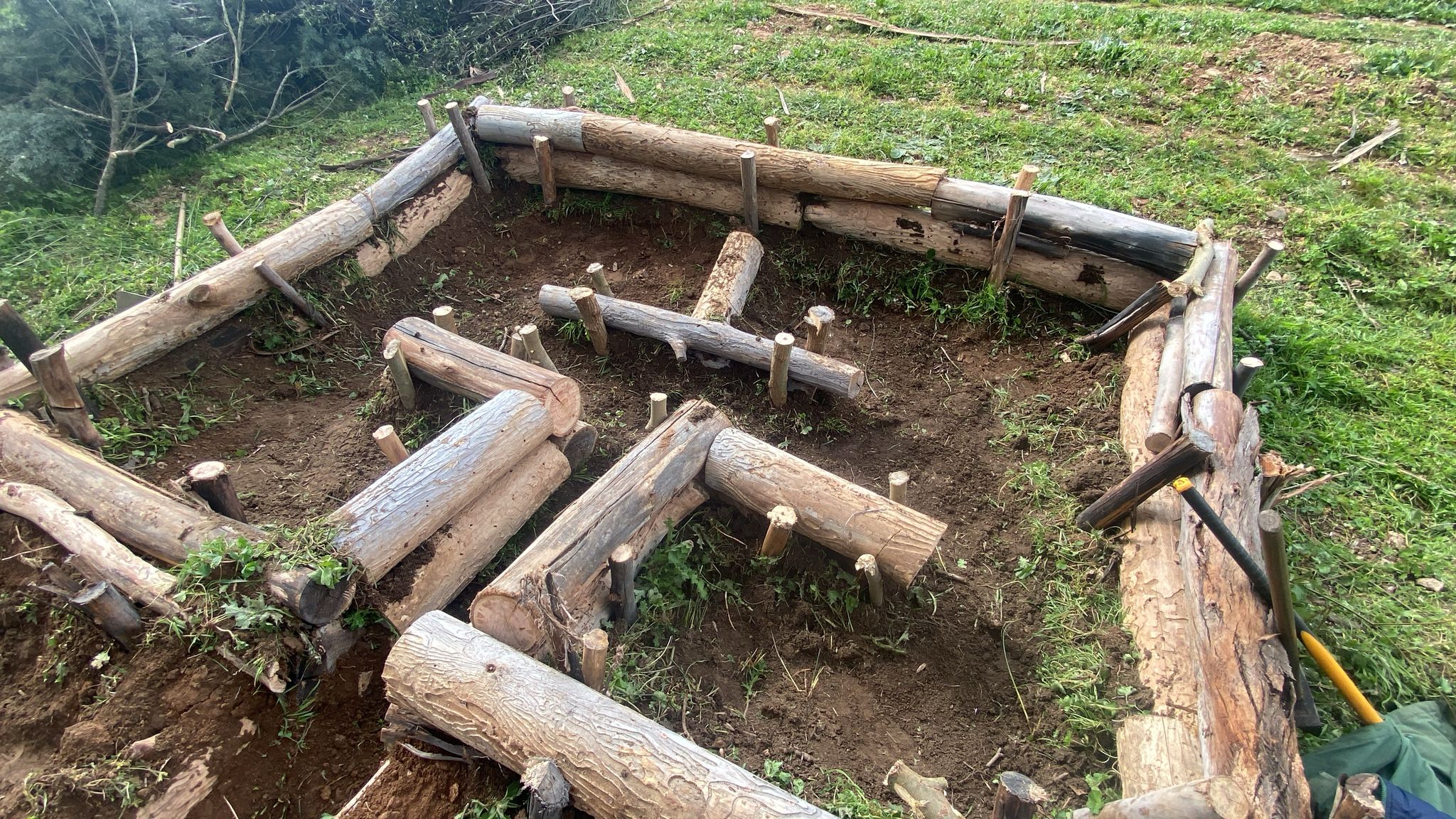
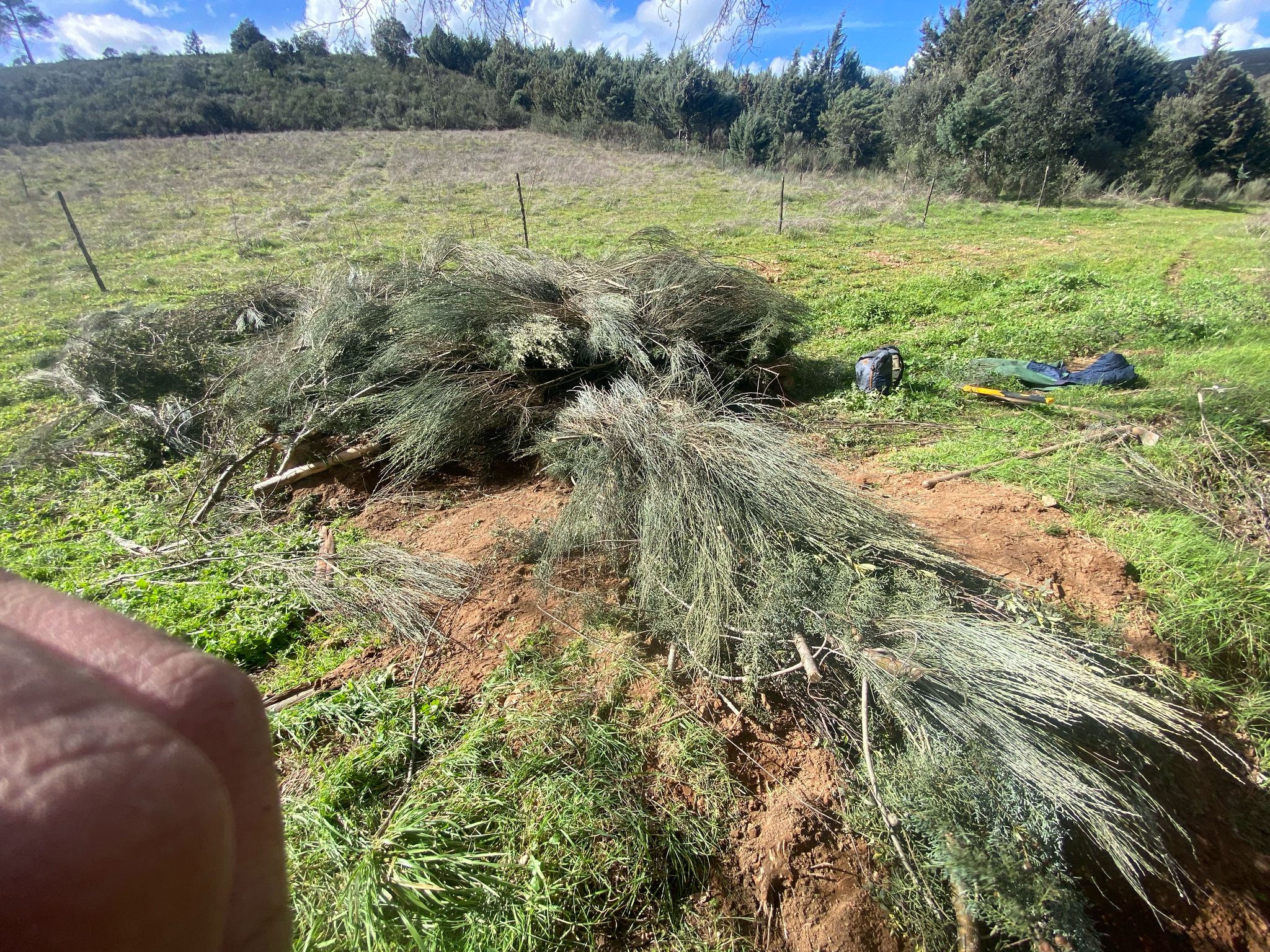
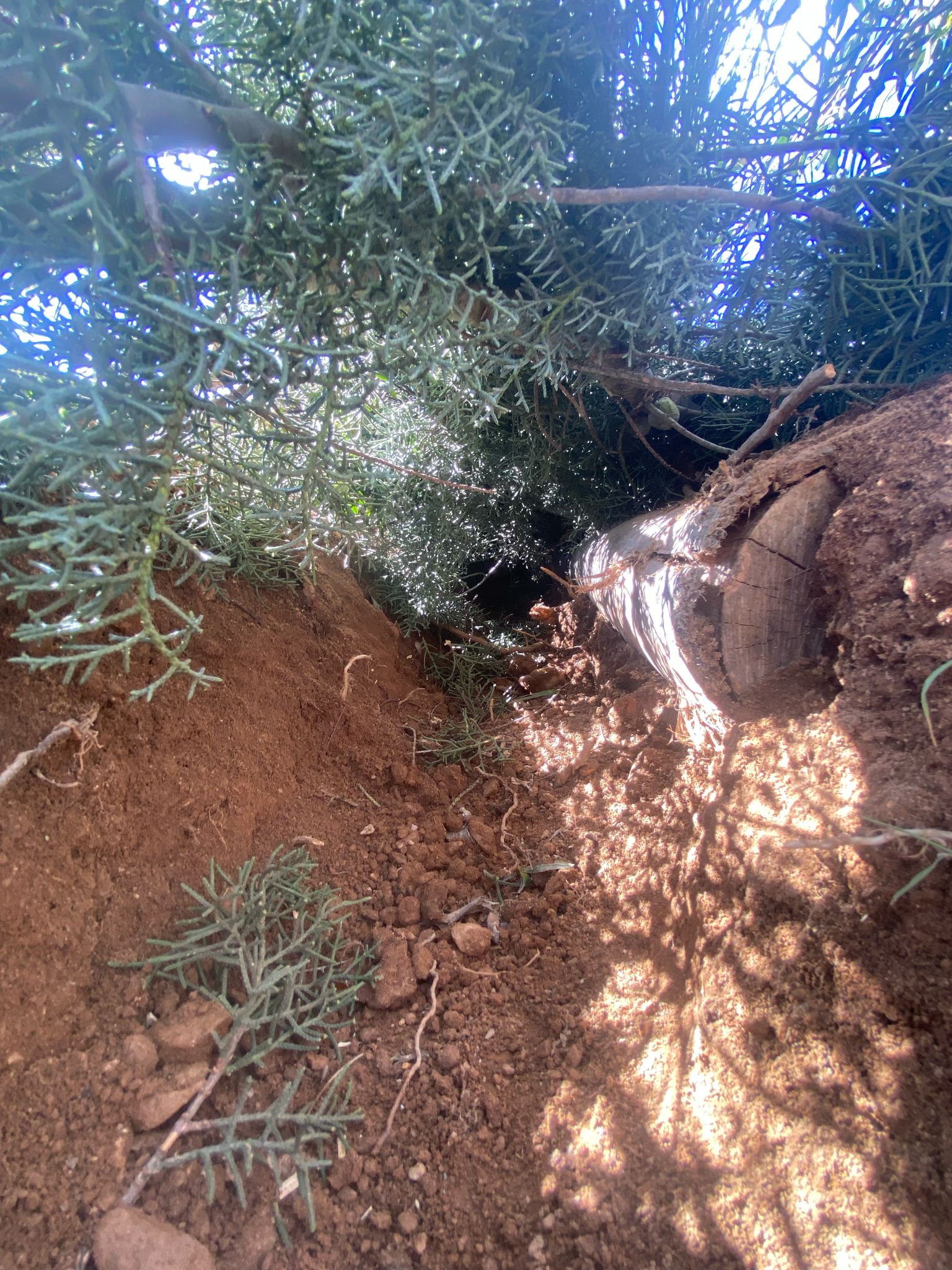
As part of the project, an experimental otter refuge has been built, which will be monitored using a camera trap to assess whether the animal makes use of it.